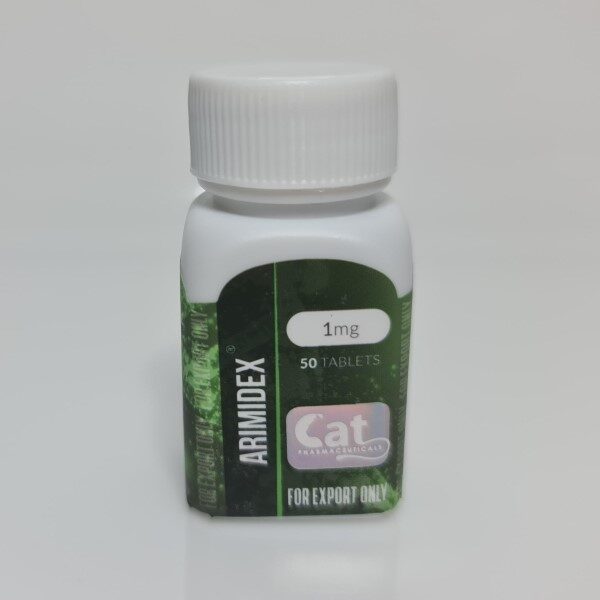
Buy Arimidex for SARM PCT in Thailand
Arimidex comes in a bottle of 50 tablets, with each tablet containing 1 mg of anastrozole. It is commonly considered for estrogen management when hormone testing indicates that estradiol is elevated or out of balance following a SARM cycle.
This product contains anastrozole and is sold under the familiar Arimidex name. It is not represented as the original branded pharmaceutical product.
Arimidex Product Specifications
| Product | Arimidex / Anastrozole |
|---|---|
| Active ingredient | Anastrozole |
| Strength | 1 mg per tablet |
| Quantity | 50 tablets |
| Format | Oral tablets |
| Product class | Nonsteroidal aromatase inhibitor |
| Site category | SARM PCT and estrogen support |
What Is Arimidex?
Arimidex is the familiar market name for anastrozole, a nonsteroidal aromatase inhibitor. Aromatase is the enzyme responsible for converting androgens into estrogens, including estradiol.
By limiting aromatase activity, anastrozole can reduce estradiol production and alter the balance between testosterone and estradiol. It works differently from the SERM products used elsewhere in the SARM PCT category.
Why Arimidex Is Considered After a SARM Cycle
Hormone levels can shift during and after a SARM cycle. Some customers research Arimidex when blood testing shows elevated estradiol, an unsuitable testosterone-to-estradiol ratio or estrogen-related hormone imbalance.
Arimidex should not automatically be treated as necessary after every SARM cycle. Many SARMs do not convert directly into estrogen, and hormone responses vary according to the compound, exposure, cycle duration and individual physiology.
The strongest reason to consider an aromatase inhibitor is relevant bloodwork rather than applying the same estrogen-control plan after every SARM cycle.
Human Anastrozole Research in Men
A randomized study involving men with low testosterone reported that anastrozole increased total and bioavailable testosterone while reducing estradiol. Researchers also observed an increase in luteinizing hormone, reflecting a change in the body’s hormonal feedback signalling.
In a separate randomized comparison between anastrozole and clomiphene, both products increased testosterone. Anastrozole produced a larger improvement in the testosterone-to-estradiol ratio because estradiol decreased in the anastrozole group.
Additional research in men has reported improvements in testosterone, estradiol balance and selected reproductive hormone measurements during anastrozole treatment.
These studies support the known hormonal action of anastrozole, but they did not evaluate a standardized Arimidex protocol following a SARM cycle.
Arimidex Compared With Enclomiphene and Clomid
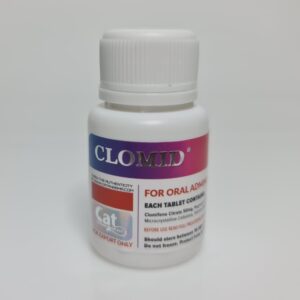
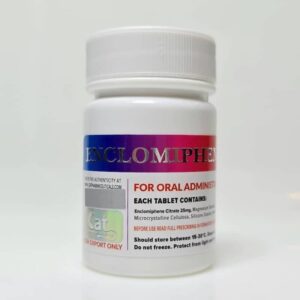
Arimidex reduces estrogen production by inhibiting the aromatase enzyme. Enclomiphene and Clomid are selective estrogen receptor modulators that influence estrogenic feedback and the release of LH and FSH.
This difference gives the products separate roles. Customers primarily researching natural testosterone signalling can compare Enclomiphene 25 mg for SARM PCT and Clomid 50 mg for SARM PCT.
Arimidex Compared With Nolvadex
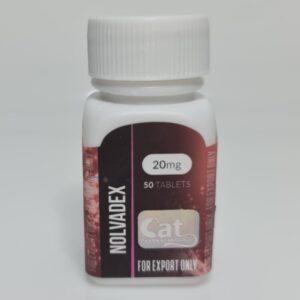
Arimidex and Nolvadex are not interchangeable. Arimidex lowers estrogen production, while Nolvadex selectively changes how estrogen interacts with receptors in particular tissues.
Customers comparing estrogen-management options after SARMs can also review Nolvadex 20 mg for SARM PCT.
Blood Testing and SARM PCT
Estradiol is an important hormone in men, so the goal should not automatically be to reduce it as far as possible. Anastrozole is most relevant when testing demonstrates that estrogen management is actually needed.
Useful post-cycle markers can include sensitive estradiol, total testosterone, free testosterone, luteinizing hormone, follicle-stimulating hormone and sex hormone-binding globulin.
Testing provides a clearer picture than relying only on symptoms, since low and high estradiol can sometimes produce overlapping or nonspecific signs.
Is Arimidex a SARM?
No. Arimidex is an aromatase inhibitor. It appears in the SARM PCT category because it may be considered for bloodwork-guided estrogen management during or after a SARM cycle.
Arimidex and Tested Sport
Anastrozole and other aromatase inhibitors are prohibited under the World Anti-Doping Agency Prohibited List. Athletes subject to anti-doping rules should avoid exposure to Arimidex.
Frequently Asked Questions
How many Arimidex tablets are included?
Each bottle contains 50 tablets, with 1 mg of anastrozole in each tablet.
Does Arimidex block estrogen receptors?
No. Arimidex inhibits the aromatase enzyme and reduces estrogen production. Products such as Nolvadex and Clomid interact with estrogen receptors through a different mechanism.
Is Arimidex required after every SARM cycle?
No. The need for estrogen management depends on the individual hormonal response and relevant blood-test results. Arimidex should not automatically be included after every SARM cycle.
Can Arimidex replace Enclomiphene or Clomid?
Not directly. Arimidex, Enclomiphene and Clomid work through different hormonal mechanisms. The appropriate product depends on whether the main concern is estradiol production, hormonal signalling or another post-cycle factor.
Independent Information Sources
- Arimidex anastrozole prescribing information
- Randomized anastrozole research in men
- Comparison of anastrozole and clomiphene in men
- Research on anastrozole and male hormone profiles
- World Anti-Doping Agency Prohibited List
This page provides general information about Arimidex and estrogen management around SARM cycles. Anastrozole has not been clinically approved specifically as a SARM PCT treatment, and individual hormone requirements vary.